September 15, 2026
In recent years, the urgent care clinic model has transformed how individuals access non-emergency medical services. These facilities serve as a convenient, cost-effective alternative to emergency room visits for non-life-threatening conditions. Typically open during extended hours, they provide essential healthcare services without the long wait times associated with hospital emergency departments. According to the Urgent Care Association, ER visits decrease by 17.2% when an urgent care center opens nearby. This accessibility fills a critical gap in the healthcare system, especially in communities where primary care availability is limited.
The versatility of these centers means they are fully equipped to handle a wide range of acute health concerns. Staffed by skilled providers, including physicians, nurse practitioners, and physician assistants, these facilities deliver high-quality, immediate care. Choosing an urgent care clinic allows patients to receive prompt attention for minor injuries, common illnesses, diagnostic needs, and routine preventive care while avoiding expensive emergency room bills. Understanding the primary reasons to visit a clinic can empower you to make informed decisions for your family's health.
Managing Minor Musculoskeletal and Skin Injuries
Minor injuries are among the most common reasons patients seek treatment at an urgent care clinic. Everyday activities, sports, and workplace tasks can lead to unexpected sprains, strains, cuts, and minor burns that require prompt medical evaluation. Clinicians at these facilities quickly assess the severity of an injury, provide immediate pain relief, and implement appropriate interventions like splinting, wound cleaning, or bandaging. By receiving timely care, patients can prevent minor soft tissue injuries from escalating into chronic conditions or long-term mobility issues.
Lacerations and minor burns also require professional intervention to reduce infection risks and minimize scarring. Urgent care providers excel at performing precise wound closures, including traditional suturing, Dermabond skin adhesive application, or stapling. They also ensure patients are current on critical immunizations, such as tetanus boosters, and administer prophylactic antibiotics when necessary. This level of immediate, comprehensive wound care enables patients to recover safely without experiencing the extended wait times typical of hospital emergency departments.
Additionally, these clinics are equipped to handle uncomplicated fractures and foreign object removals. On-site diagnostic tools allow providers to confirm whether a bone is cracked or broken, apply initial casting or immobilization, and coordinate referrals to orthopedic specialists if necessary. Whether dealing with an embedded splinter, an eye irritation, or a minor fracture, visiting an urgent care clinic ensures expert, rapid treatment that promotes faster healing and restores comfort.
Evaluating and Treating Common Acute Illnesses
Acute illnesses often appear suddenly, causing discomfort and disruptions to daily life. Urgent care clinics offer comprehensive evaluations for widespread viral and bacterial infections, including cold and flu symptoms, gastroenteritis, sinus infections, and urinary tract infections (UTIs). Experienced medical teams conduct physical examinations and rapid point-of-care testing to differentiate between viral and bacterial pathogens, ensuring that treatments like antibiotics or antivirals are prescribed appropriately and responsibly.
Managing gastrointestinal issues and high fevers promptly is essential for preventing secondary complications like dehydration. Clinicians can administer prescription-strength anti-nausea medications, oral rehydration solutions, and fever reducers on-site to restore comfort. By obtaining an accurate diagnosis early in the course of an illness, patients receive tailored treatment plans that mitigate symptom severity, shorten recovery timelines, and reduce the risk of spreading contagious pathogens to others in the community.
Seeking care at a local clinic for routine infections also alleviates systemic strain on hospital emergency departments. Patients receive high-quality medical management in a comfortable, efficient setting close to home. Furthermore, healthcare providers offer valuable guidance on symptom management, proper hygiene, and follow-up care, ensuring that individuals feel fully supported throughout their recovery process.
Utilizing On-Site Diagnostic and Laboratory Services
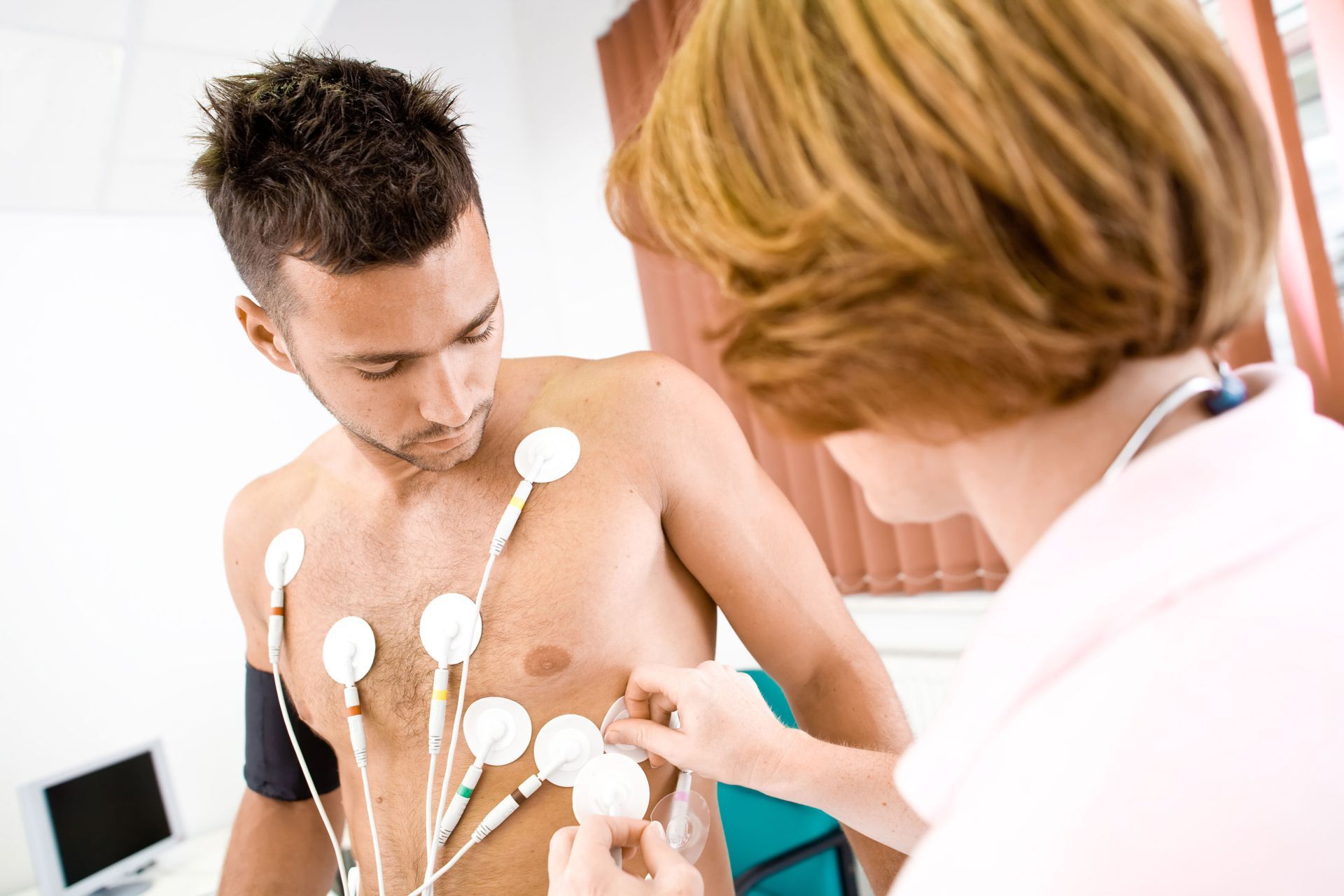
Modern urgent care facilities house advanced diagnostic equipment, allowing patients to receive efficient evaluations under one roof. On-site digital X-ray services play a key role in identifying bone fractures, joint dislocations, chest infections, and foreign bodies. Having immediate access to imaging technology eliminates the need for patients to schedule separate appointments at external radiology centers, significantly streamlining the overall diagnostic process.
In addition to imaging, these clinics feature comprehensive laboratory capabilities capable of running essential diagnostic tests. On-site labs routinely process blood work, urinalysis, rapid strep screens, flu swabs, and COVID-19 tests with rapid turnaround times. Quick laboratory insights allow providers to make data-driven clinical decisions during the patient's initial visit, initiating targeted therapies without unnecessary delays.
The integration of imaging and lab testing within an urgent care clinic enhances diagnostic accuracy and overall patient satisfaction. Patients benefit from a seamless experience where evaluation, testing, and treatment planning occur in a single visit. This efficiency ensures that potential health issues are identified early, leading to better clinical outcomes and greater peace of mind.
Receiving Routine Preventive and Occupational Healthcare
Beyond treating sudden injuries and illnesses, an urgent care clinic serves as a practical resource for preventive healthcare and routine physical examinations. Many individuals utilize these centers for annual wellness exams, school physicals, sports clearances, and camp health assessments. The availability of walk-in appointments and extended evening or weekend hours makes completing required medical evaluations easy for busy families and working adults.
Occupational health services represent another vital capability of modern urgent care centers. Employers frequently partner with these clinics for pre-employment physicals, routine drug and alcohol screenings, workplace injury evaluations, and respirator fit testing. By providing streamlined, compliant occupational services, clinics help local businesses maintain safe workplaces and ensure employees remain healthy and fit for duty.
Routine immunizations and seasonal vaccinations are also readily available at urgent care facilities. From annual flu shots to travel vaccines and adult boosters, patients can keep their immunizations up to date without waiting for an open appointment slot with a primary care provider. This easy access to preventive services helps strengthen overall community immunity and proactive health management.
Accessing Convenient and Cost-Effective Medical Attention
One of the primary benefits of choosing an urgent care clinic is the unmatched convenience and accessibility it offers. Unlike traditional primary care offices that may require weeks for an open appointment slot, urgent care centers welcome walk-in patients seven days a week. Extended morning, evening, and weekend hours ensure that quality medical care remains accessible whenever unexpected health needs arise outside regular business hours. Online check-in options and real-time wait-time tracking further streamline the registration process, allowing patients to wait comfortably at home before arriving for their scheduled evaluation.
From a financial perspective, urgent care visits are significantly more affordable than emergency room visits for non-emergent conditions. Insurance copays and out-of-pocket costs at urgent care clinics are typically a fraction of the expense associated with an ER visit. Most centers accept a wide array of commercial insurance plans, Medicare, and Medicaid, while also offering transparent, self-pay pricing models for uninsured individuals. This predictable pricing structure eliminates the surprise billing often associated with hospital emergency departments, enabling individuals to seek prompt medical attention without fear of financial strain.
Ultimately, visiting an urgent care center provides a balanced approach to modern healthcare by blending efficiency, affordability, and clinical excellence. Whether you require immediate attention for a minor burn, an X-ray for a sports injury, or a routine physical, these facilities deliver expert care tailored to your schedule. For more information about the services that we offer, reach out to our incredible team at Family Medical Center at Round Rock today!