October 16, 2026
Understanding the complexities of managing infant fevers is vital for professionals working in a pediatric urgent care clinic. Infants possess developing immune systems, making them susceptible to sudden fevers that can signal underlying health issues. This article provides a broad overview of best practices, common challenges, and key considerations for effectively managing these conditions in a fast-paced clinical environment. By establishing comprehensive assessment techniques, healthcare teams provide prompt relief for patients while supporting parents. Proper fever management ensures safety, comfort, and positive outcomes for patients requiring immediate medical attention.
Recognizing Early Symptoms
Detecting fever symptoms in infants requires keen observation of both subtle and obvious changes in behavior. Because infants cannot verbalize their discomfort, caregivers must rely heavily on indirect signs like irritability, decreased feeding, and lethargy. Elevated body temperatures act as a primary indicator, detected by a simple touch or a reliable thermometer. Prompt recognition remains crucial, as an infant's condition can deteriorate fast due to small body size. Medical professionals at a pediatric urgent care clinic remain adept at distinguishing these early signs to initiate timely interventions.
Education plays a significant role in empowering parents to spot potential fever symptoms in their infants before they escalate. Frequent discussions and resources provided by medical staff enhance parental awareness and response times. The data highlights the urgency of this vigilance in preventing complications. According to the National Center for Health Statistics, emergency department visit rates were highest for infants younger than age 1 year (99 visits per 100 infants) and adults ages 75 and older (76 per 100 people). Empowered with knowledge, parents act fast to reduce risks.
Identifying Viral Infections
Distinguishing between viral and bacterial causes of a fever is a critical step in developing a safe treatment plan. Viral infections typically run a self-limiting course and may only require supportive care, while bacterial infections often necessitate targeted antibiotic therapy. Clinicians combine detailed medical histories, physical examinations, and specific diagnostic tests to differentiate these root causes. Knowledge of circulating pathogens aids in assessing the likely source of the fever. This differentiation guides treatment protocols and influences the specific type of diagnostic testing undertaken within a pediatric urgent care clinic setting.
Viral illnesses in infants often present with less localized findings and appear alongside secondary symptoms like a widespread rash or mild respiratory distress. In contrast, bacterial infections present with distinct localized signs, such as an ear infection, requiring further investigation through dedicated laboratory work. Clinicians balance the risks of antibiotic use by considering side effects and long-term antibiotic resistance. Making an accurate differentiation avoids overtreatment and limits unnecessary medication exposure for the child. A protocol-driven approach ensures consistent assessments, supporting informed decision-making and enhancing patient care across encounters.
Assessing Additional Signs
Infants may display other symptoms alongside a fever that provide vital clues about their overall health status and infection severity. Monitoring for signs like persistent vomiting, ongoing diarrhea, or sudden poor feeding proves essential, as these point to systemic involvement or severe dehydration risks. Respiratory signs, such as a persistent cough or heavy nasal congestion, often point toward an upper respiratory tract infection. Seizures can complicate febrile episodes, demanding immediate medical evaluation and management due to potential neurological implications. A comprehensive symptom assessment remains critical for guiding an effective treatment strategy.
Babies might manifest subtle behavior changes that prove challenging to interpret but serve as essential indicators of their overall condition. Increased irritability or uncharacteristic drowsiness could suggest a more severe infection or generalized bodily discomfort. Understanding infant developmental milestones assists clinicians in identifying deviations from normal behavioral patterns. The recognition of these extra symptoms requires close collaboration between healthcare providers and attentive caregivers. When parents share detailed behavioral observations, clinicians build an accurate clinical picture. Any dedicated pediatric urgent care clinic relies on this teamwork to ensure all relevant signs receive proper consideration.
Gathering Medical Histories
An accurate patient history forms the foundation of effective infant fever management in medical settings. This process involves collecting comprehensive details regarding the infant's current symptoms, past illnesses, and recent environmental exposures. Key elements include the child's birth details, current immunization statuses, family medical backgrounds, and any previously diagnosed congenital conditions. Understanding the specific context of the fever helps clinicians form an accurate differential diagnosis and determine the best medical interventions. A thorough patient history serves as a guiding framework for subsequent physical examinations and necessary tests.
Efficient history-taking requires active listening and deep engagement from both the attending medical provider and the child's parents. Open-ended questions help clinicians capture pertinent details, such as recent family travel, encounters with sick contacts, and environmental exposures at daycare. Healthcare providers build strong rapport with families to create a comfortable atmosphere for sharing sensitive health information. This collaborative relationship lays the groundwork for accurate diagnoses and effective treatment planning. By prioritizing thorough history-taking, every pediatric urgent care clinic equips its staff with the necessary information to address infant fevers.
Measuring Vital Signs
Recording accurate vital signs is pivotal in assessing the specific severity of a fever and directing appropriate medical care. Healthcare providers utilize various temperature measurement techniques to ensure precise and reliable readings. Rectal thermometry is often considered the standard for infants due to its high accuracy and baseline consistency. Clinicians must possess strong technical skills to minimize patient discomfort while obtaining this reliable data. Accurate temperature readings prove crucial for tracking the fever's progression and evaluating the young patient's physiological response to different treatment strategies implemented during the visit.
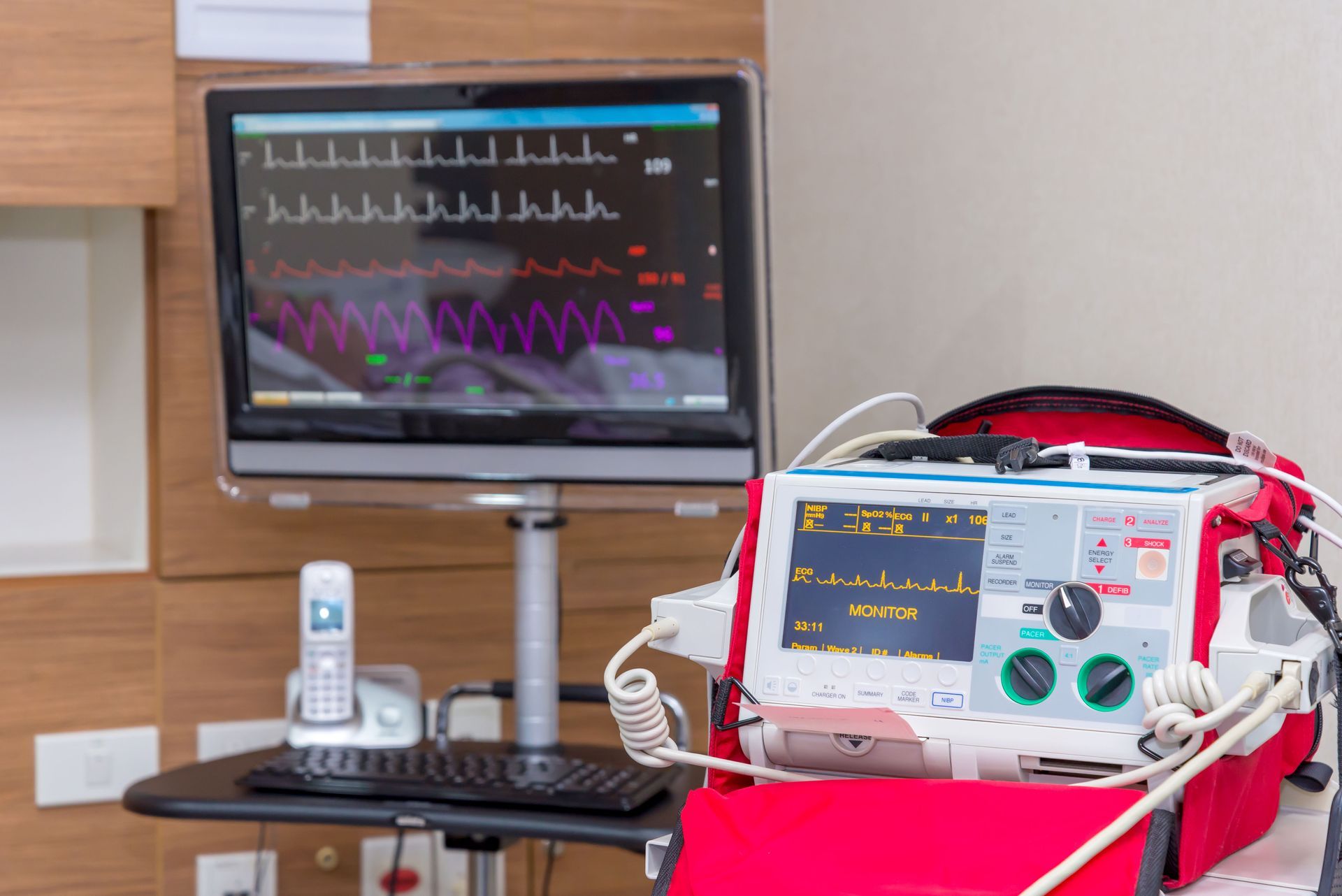
The clinical interpretation of vital signs extends beyond just measuring a baseline temperature to include the heart rate, respiratory rate, and oxygen saturation levels. Changes in these critical parameters indicate the infant's degree of physical distress or physiological compromise. Clinicians follow well-established guidelines for normal vital sign ranges and recognize any deviations that necessitate further medical evaluation. Continuous monitoring throughout the visit provides essential feedback on the effectiveness of initial medical interventions. A dedicated pediatric urgent care clinic prioritizes these consistent measurement protocols to foster reliable patient assessments and enhance safety.
Utilizing Standard Protocols
Standardized triage protocols form the solid backbone of effective fever management, ensuring consistency and operational efficiency across patient assessments. These formalized protocols guide healthcare providers in quickly identifying infants who require immediate intervention based on illness severity. Structured settings prioritize proper resource allocation, focusing immediate attention on high-priority cases while managing lower-priority conditions with appropriate supportive care. Routine implementation of these structured workflows promotes streamlined operations and reduces the risk of delayed medical interventions. Clinicians benefit from clear criteria and modern decision-making tools that facilitate accurate triage and optimize the patient journey.
Triage workflows receive continuous clinical updates to reflect emerging medical research and evolving industry standards, optimizing their overall clinical relevance. Regular training sessions support nursing staff in adhering to these benchmarks and refining their independent clinical judgment. By fostering consistency in decision-making, standardized protocols elevate overall patient care quality across the board. A reputable pediatric urgent care clinic uses these systematic approaches to increase staff confidence, improve patient throughput, and elevate parent satisfaction. This proactive mindset not only enhances clinician performance but ensures families receive timely medical attention and excellent care.
Effectively treating infant fevers demands a combination of deep clinical expertise, standardized treatment processes, and strong communication with concerned caregivers. By prioritizing accurate symptom recognition and thorough diagnostic evaluations, healthcare teams deliver the high-quality care that young vulnerable patients require. Continuous parent education and direct involvement remain integral to navigating the stress and complexities of acute childhood illnesses. When sudden health concerns arise, choosing a reliable pediatric urgent care clinic makes all the difference in achieving a rapid recovery. We invite you to visit Family Medical Center at Round Rock for all your child's medical needs.