May 12, 2026
Accidents and minor medical emergencies can happen when you least expect them. Whether it’s a kitchen mishap, a workplace injury, or an unexpected fall, knowing where to go for prompt medical attention can make a meaningful difference in both recovery time and overall peace of mind. This is where urgent care clinics play an essential role in modern healthcare. They provide convenient, accessible care for non-life-threatening injuries, helping patients receive timely treatment without the long wait times often associated with emergency rooms.
Urgent care clinics are designed to bridge the gap between primary care providers and hospital emergency departments. They are staffed by qualified medical professionals who can diagnose and treat a wide variety of injuries, ensuring that patients receive proper care in a comfortable and efficient environment. From cuts and burns to sprains and minor fractures, these facilities are equipped to handle many common injuries that require immediate attention but are not severe enough for emergency services.
As healthcare needs continue to evolve, urgent care clinics have become an increasingly important part of the system. According to Healthfmv.com, there are over 14,000 centers nationwide as of 2023, and the urgent care market is expected to grow at a CAGR of 5.3% between 2025 and 2034, highlighting the growing reliance on these facilities for timely care. Understanding the types of injuries treated at urgent care clinics can help you make informed decisions when unexpected situations arise.
Treating Cuts and Lacerations
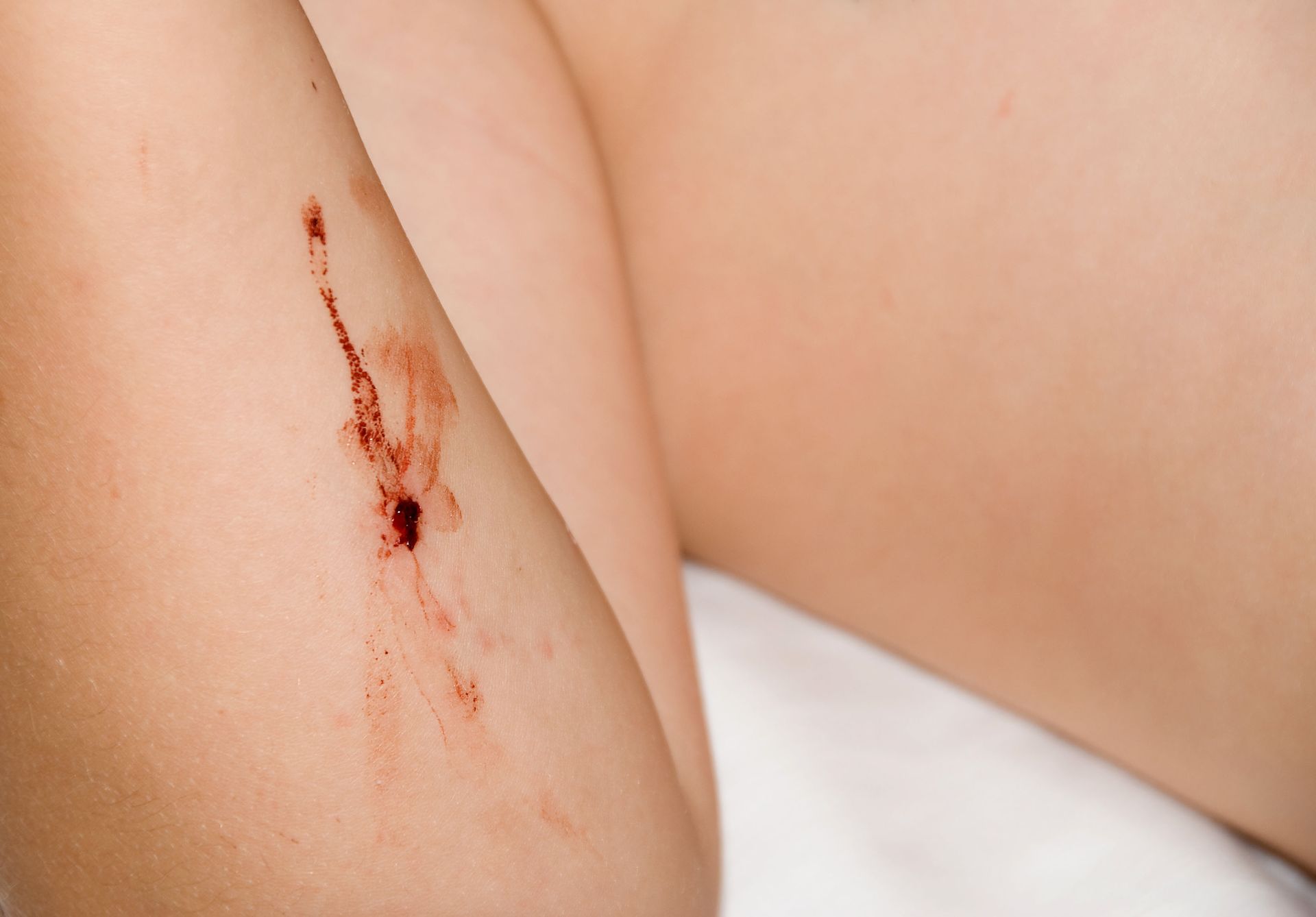
Cuts and lacerations are among the most common reasons people visit urgent care clinics. These injuries can occur during everyday activities such as cooking, cleaning, or handling tools. While some cuts may appear minor at first, they can still require professional medical evaluation to prevent complications like infection or improper healing.
At urgent care clinics, medical professionals carefully assess the severity of the wound. They clean the area thoroughly, remove any debris, and determine whether stitches or other closure methods are necessary. Proper wound care is essential not only for healing but also for minimizing scarring and reducing the risk of infection.
In addition to treatment, patients often receive guidance on how to care for their wound after leaving the clinic. This follow-up care is an important part of the healing process and ensures that the injury continues to improve in the days that follow.
Managing Burns and Skin Injuries
Burns can happen quickly and range from mild to more serious injuries. Whether caused by hot surfaces, liquids, or other sources, burns require careful evaluation to determine the appropriate course of treatment. Urgent care clinics are well-equipped to handle many types of burns that do not require emergency hospitalization.
Medical professionals at these clinics assess the depth and extent of the burn before beginning treatment. This may include cooling the affected area, applying specialized dressings, and providing medications to manage pain and prevent infection. Prompt care is especially important with burns, as it can help limit damage to the skin and promote faster healing.
Patients also benefit from professional advice on protecting the injured area during recovery. This ensures that the skin heals properly and reduces the likelihood of long-term complications.
Providing Stitches and Wound Closure
When a cut is deep or does not close on its own, stitches may be necessary. Urgent care clinics commonly provide this service, offering a convenient option for patients who need immediate attention without visiting an emergency room.
The process begins with a thorough examination of the wound. Once it is cleaned and prepared, the provider carefully closes the wound using stitches, adhesive strips, or medical glue, depending on the situation. This helps bring the edges of the skin together, allowing the body to heal more effectively.
Receiving stitches at urgent care clinics can be a reassuring experience for patients. The procedure is performed by trained professionals who prioritize both safety and comfort, ensuring that the wound is treated properly and efficiently.
Addressing Sprains and Strains
Sprains and strains are common injuries that often occur during physical activity or sudden movements. These injuries affect muscles, ligaments, and tendons, and they can cause pain, swelling, and limited mobility.
Urgent care clinics provide comprehensive care for these types of injuries. Medical professionals evaluate the affected area, sometimes using imaging tools to rule out more serious conditions. Once the injury is assessed, they develop a treatment plan tailored to the patient’s needs.
This may include supportive measures such as bracing, wrapping, or recommendations for activity modification. By addressing the injury early, urgent care clinics help patients begin the recovery process and reduce the risk of further complications.
Evaluating Minor Fractures and Injuries
Not all fractures require emergency room visits, especially when they are minor and stable. Urgent care clinics are equipped to evaluate and treat many of these injuries, offering a convenient and efficient alternative for patients.
When a fracture is suspected, providers may use diagnostic tools to confirm the injury. Once identified, they stabilize the affected area and provide appropriate treatment, such as splinting. This helps protect the injured bone and supports proper healing.
Patients also receive instructions on follow-up care and may be referred to specialists if additional treatment is needed. This coordinated approach ensures that patients receive the right level of care for their specific condition.
Handling Minor Infections and Skin Conditions
In addition to physical injuries, urgent care clinics also treat a variety of skin-related concerns that can result from cuts, burns, or other incidents. Infections, rashes, and other conditions may develop if injuries are not properly addressed or if bacteria enter the skin.
Medical professionals at urgent care clinics evaluate these conditions and provide appropriate treatment, which may include medications or specialized care. Early intervention is key to preventing the condition from worsening and ensuring a smoother recovery process.
By addressing both the injury itself and any related complications that may arise, urgent care clinics provide a more complete and thoughtful approach to treatment. Rather than focusing solely on the immediate issue, medical professionals take the time to evaluate surrounding concerns, such as the risk of infection, delayed healing, or underlying conditions that could impact recovery. This comprehensive level of care helps ensure that patients are not only treated in the moment but are also set up for a smoother and more successful healing process.
Urgent care clinics have become an essential resource for individuals seeking prompt and reliable medical attention for common injuries. From treating cuts and burns to providing stitches and evaluating sprains, these facilities offer a wide range of services designed to meet immediate healthcare needs. Their accessibility and efficiency make them a practical choice for patients who require timely care without the urgency of a hospital emergency room.
Understanding the types of injuries treated at urgent care clinics can help you respond quickly and confidently when unexpected situations arise. With trained medical professionals and a patient-centered approach, these clinics play a vital role in helping individuals recover safely and effectively.
When unexpected injuries happen, having a trusted place to turn can make all the difference. At Family Medical Center at Round Rock, we are committed to providing compassionate, efficient care when you need it most. Whether you’re dealing with cuts, burns, or other common injuries, our team is here to support your recovery every step of the way.