April 14, 2026
Injuries like minor fractures and sprains are common across all age groups. Whether caused by sports activities, workplace incidents, or everyday accidents, these conditions require timely medical attention to prevent complications. However, not every injury requires a visit to the emergency room.
Understanding when to seek care at an urgent care clinic instead of the ER can help reduce wait times, lower costs, and streamline treatment. For non-life-threatening injuries, an urgent care clinic often provides an efficient and practical alternative. Recognizing the difference between minor and severe injuries is key to making the right decision and avoiding unnecessary delays in care.
Recognizing Non-Emergency Injury Symptoms
Not all fractures and sprains present with the same level of severity. Minor fractures may involve small cracks in the bone without significant displacement, while sprains typically involve stretched or partially torn ligaments. These injuries often cause pain, swelling, and limited mobility, but do not usually involve severe deformity or uncontrolled bleeding.
When symptoms remain manageable and stable, visiting an urgent care clinic is often appropriate. Signs that an injury may fall into this category include moderate pain, localized swelling, and the ability to move the affected area with some discomfort.
Medical professionals at an urgent care clinic can evaluate these symptoms and determine the appropriate course of action. Early assessment helps prevent worsening conditions and supports a more efficient recovery process while minimizing unnecessary complications.
Identifying Situations That Require Emergency Care
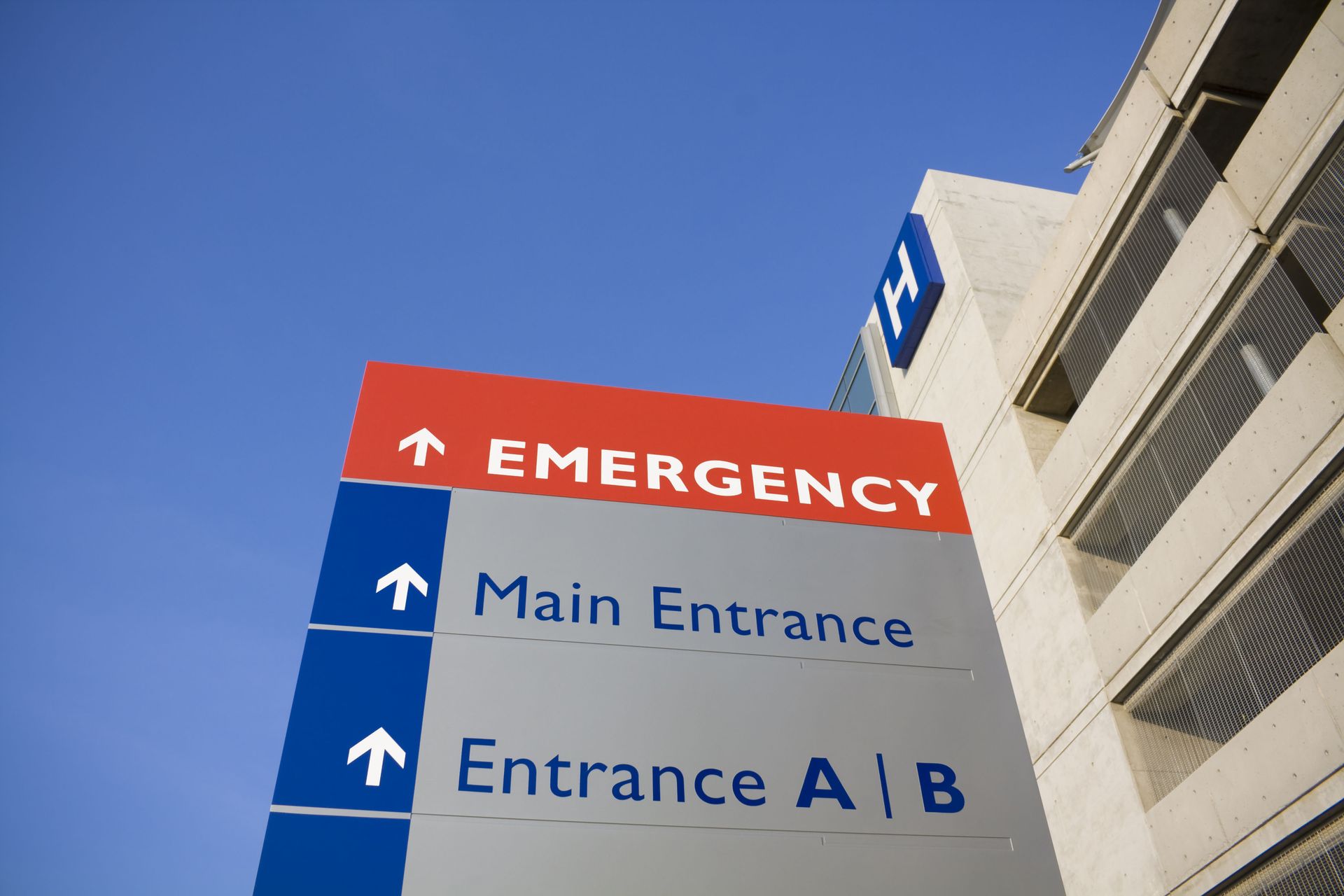
While many injuries can be handled outside of the ER, some situations demand immediate emergency attention. Severe fractures, open wounds with exposed bone, significant deformity, or loss of circulation require urgent intervention.
In these cases, the priority is stabilizing the injury and addressing any life-threatening concerns. Attempting to delay treatment by visiting an urgent care clinic in these scenarios may lead to complications.
Understanding these distinctions allows individuals to make informed decisions about where to seek care. When in doubt, erring on the side of caution and seeking emergency services is the appropriate course to avoid further risk.
Choosing Convenient and Efficient Care Options
One of the primary advantages of an urgent care clinic is accessibility. These facilities are designed to provide prompt medical attention without the extended wait times often associated with emergency rooms. For minor fractures and sprains, this can make a significant difference in both experience and outcome.
Shorter wait times allow patients to receive evaluation and treatment more quickly, which can help reduce discomfort and begin the recovery process sooner. Many urgent care clinic locations also offer extended hours, making them a practical option outside of standard medical office schedules.
This level of convenience supports better overall patient experience while still delivering the necessary level of care for non-critical injuries. It also reduces the burden on emergency departments.
Reducing Healthcare Costs for Minor Injuries
Cost is another factor that influences where individuals seek treatment. Emergency room visits typically involve higher fees due to the level of resources required to handle critical cases. For minor injuries, these costs may not be necessary.
An urgent care clinic provides a more cost-effective option for treating non-life-threatening conditions. By choosing the appropriate level of care, patients can manage expenses while still receiving proper medical attention.
This approach aligns with a more efficient use of healthcare resources, allowing emergency services to focus on critical cases while urgent care clinics address less severe conditions more efficiently.
Accessing Diagnostic Tools and Evaluation
Accurate diagnosis is essential when dealing with fractures and sprains. Even minor injuries require proper evaluation to determine the extent of damage and the appropriate treatment plan.
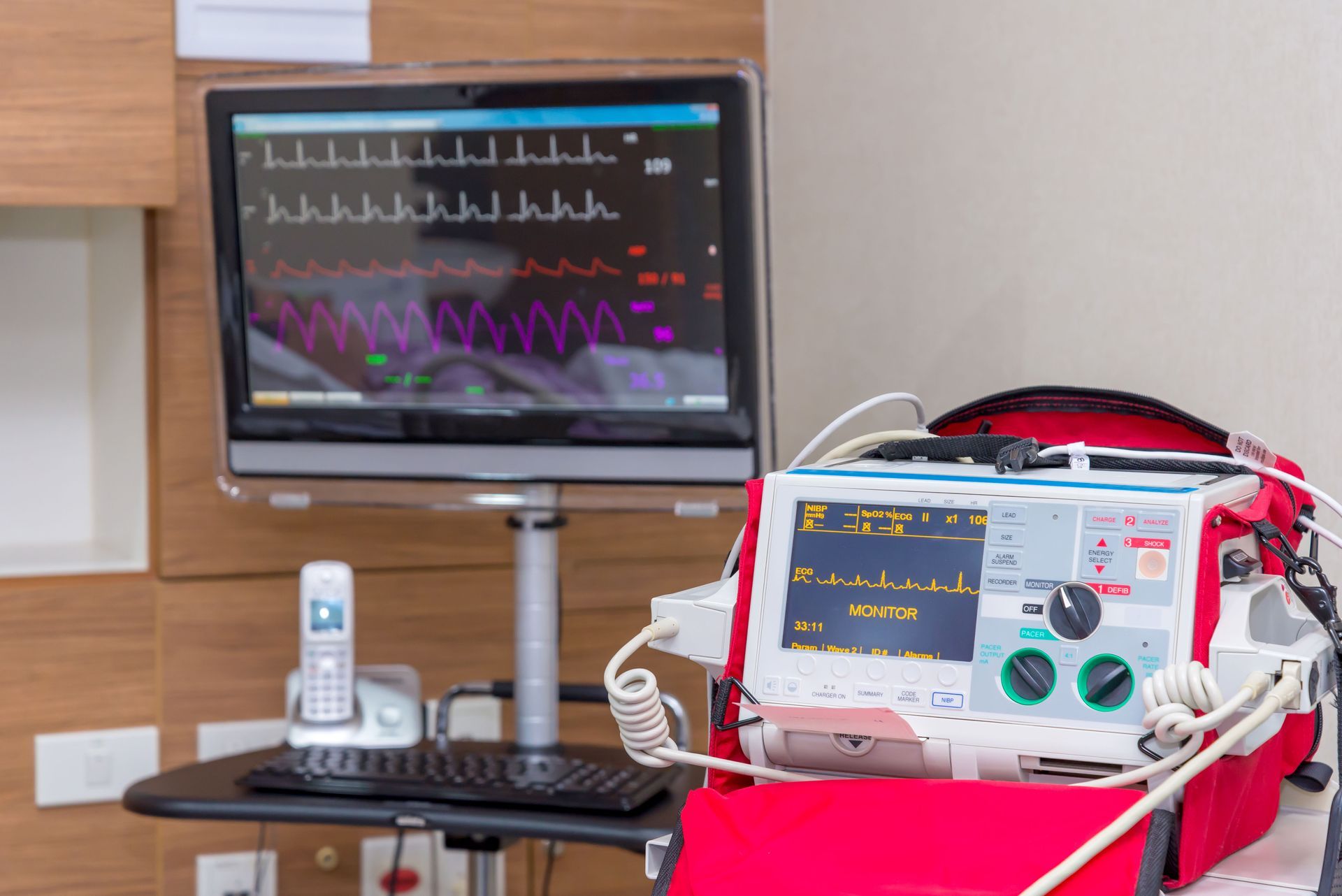
An urgent care clinic is typically equipped with diagnostic tools such as X-rays, allowing medical professionals to confirm whether a fracture is present and assess its severity. This capability supports more precise treatment decisions.
By providing both evaluation and diagnostic services in one location, an urgent care clinic simplifies the care process and reduces the need for multiple appointments. This streamlined approach benefits both patients and providers.
Supporting Timely Treatment and Recovery
Prompt treatment plays a significant role in recovery outcomes. Delays in addressing fractures or sprains can lead to prolonged discomfort, improper healing, or additional complications.
Visiting an urgent care clinic allows patients to begin treatment quickly. This may include immobilization, pain management, and guidance on next steps for recovery. Early intervention supports better healing and reduces the risk of long-term issues.
Medical professionals can also monitor progress and recommend follow-up care if needed, helping patients stay on track throughout the recovery process and avoid setbacks.
Managing Patient Flow in Healthcare Systems
The growing role of urgent care clinics reflects broader trends in healthcare delivery. As demand for accessible medical services increases, these facilities help manage patient flow and reduce strain on emergency departments.
According to Researchandmarkets.com, the U.S. urgent care centers market was valued at USD 34.34 billion in 2024, and is projected to reach USD 55.07 billion by 2030. This growth highlights the increasing reliance on urgent care clinic services for non-emergency conditions. By directing appropriate cases to these facilities, healthcare systems can operate more efficiently and provide better care across all levels, improving access overall.
Understanding Limitations of Urgent Care Settings
While an urgent care clinic is well-suited for many minor injuries, it is important to understand its limitations. These facilities are not designed to handle complex trauma or life-threatening conditions that require advanced intervention.
Patients should be aware of the scope of services available and seek care accordingly. When injuries fall outside the capabilities of an urgent care clinic, referral to a hospital or specialist may be necessary.
This understanding helps set appropriate expectations and supports better decision-making when seeking medical attention, especially in urgent situations.
Encouraging Professional Medical Evaluation
Self-assessing injuries can be challenging, especially when symptoms are not immediately clear. What appears to be a minor sprain may involve more significant underlying damage, such as hairline fractures or ligament tears, that are not obvious without proper assessment.
Seeking evaluation at an urgent care clinic provides a reliable way to determine the true nature of the injury. Medical professionals can perform thorough physical assessments, review symptoms, and utilize diagnostic tools as needed to recommend the most appropriate treatment. This ensures that even subtle injuries are properly addressed before they worsen.
This approach reduces uncertainty and supports safer outcomes. Relying on professional evaluation helps avoid misdiagnosis, prevents improper care, and supports more accurate and effective treatment plans that promote quicker recovery.
Balancing Speed with Quality of Care
Choosing where to seek treatment involves balancing speed, cost, and quality. For minor fractures and sprains, an urgent care clinic offers a practical combination of these factors, delivering timely care while maintaining professional standards.
Patients benefit from quicker access to care without compromising the accuracy of diagnosis or the effectiveness of treatment. This balance makes urgent care clinics a valuable resource within the broader healthcare system, especially for non-life-threatening injuries that still require prompt attention.
By understanding when to use these facilities, individuals can navigate healthcare options more effectively, receive appropriate care for their specific needs, and avoid unnecessary delays that could extend recovery time.
Minor fractures and sprains require timely attention, but they do not always warrant a visit to the emergency room. Recognizing the signs of non-emergency injuries and choosing an urgent care clinic can lead to faster treatment, lower costs, and a more efficient care experience. For those dealing with minor injuries, visit Family Medical Center at Round Rock today for professional evaluation and treatment.