February 12, 2026
Visiting a healthcare provider for the first time can feel a little uncertain, especially when you are not sure what the process will look like. Many people choose local walk-in clinics because they want convenient care without the formality or long waits often associated with other medical settings. Knowing what to expect before you arrive can help you feel more relaxed and confident about getting the care you need. A bit of preparation can go a long way in easing nerves and helping you focus on your health.
Whether you're dealing with a minor illness, a sudden concern, or just need timely medical attention, your first visit is usually straightforward and patient-focused. From check-in to follow-up instructions, the experience is designed to be efficient while still addressing your health concerns thoroughly.
Checking in and Registration
When you arrive for your first visit, the check-in process is usually simple and welcoming. Most clinics will ask you to provide basic information such as your name, date of birth, and reason for the visit. You may also be asked to show a photo ID and your insurance card, if you plan to use insurance. This information helps the staff create or locate your patient record. Having these items ready can help speed up the process.
Many walk-in clinics offer both paper and digital registration options. Some allow you to complete forms on a tablet or even online before you arrive. These forms typically ask about your medical history, current medications, allergies, and emergency contact information. Taking a few moments to fill these out carefully helps ensure safe and accurate care.
If you're visiting local walk-in clinics for the first time, you might wonder about wait times. While wait times can vary depending on patient volume, these clinics are structured to see patients on a first-come, first-served basis. Staff members often give you an estimated wait time so you know what to expect while you are there. This transparency can make the waiting period feel more manageable.
Once you're checked in, you will usually be asked to wait in a seating area until a medical professional is ready to see you. During this time, staff may call you back for preliminary steps such as checking your vital signs. This helps prepare the provider with up-to-date information before your evaluation begins. These early steps also help your appointment move more efficiently.
Meeting the Medical Provider
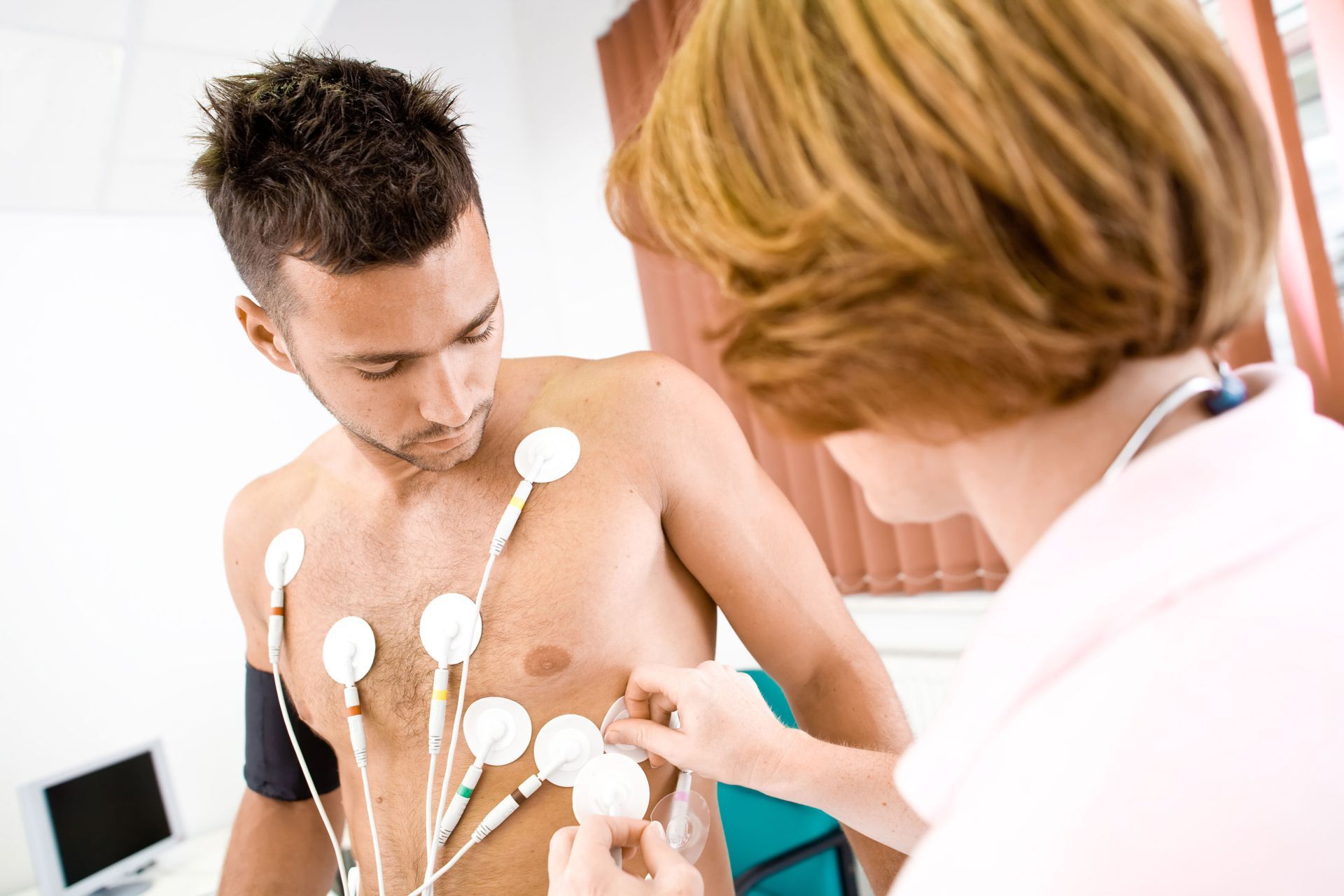
After check-in, you will be brought to an exam room where a nurse or medical assistant may start by asking additional questions. They often take your blood pressure, temperature, heart rate, and weight. These measurements provide important context for understanding your current health status and symptoms. They also help establish a baseline for future visits.
The medical provider will then come in to discuss why you are visiting. This is your opportunity to clearly explain your symptoms, how long you have been experiencing them, and anything that seems to make them better or worse. Being open and specific helps the provider make an accurate assessment and recommend appropriate care. Writing down key symptoms beforehand can help you remember important details.
Many people choose local walk-in clinics because the visits feel more conversational and less rushed. Providers often take the time to explain what they think is going on in plain language. They may ask follow-up questions or perform a physical exam depending on your concerns.
If testing is needed, such as a rapid flu test, strep test, or basic lab work, it is often done on-site. This can speed up diagnosis and treatment, allowing you to leave with answers and a care plan the same day. The provider will explain the results and what they mean for your next steps. Faster results can bring peace of mind when you are feeling unwell.
Discussing Treatment and Care Plans
Once the provider has evaluated your condition, they will discuss treatment options with you. This may include prescribing medication, recommending over-the-counter remedies, or suggesting rest and home care. The goal is to address your symptoms effectively while considering your overall health and preferences.
If you need a prescription, it is usually sent electronically to your preferred pharmacy. The provider will explain how and when to take the medication, as well as any potential side effects to watch for. Clear instructions help you feel confident managing your care after you leave. This guidance can reduce confusion once you are back home.
In some cases, your visit may highlight why local walk-in clinics are a helpful alternative to emergency departments for non-life-threatening concerns. According to the National Center for Health Statistics, the rate of emergency department visits is highest for infants younger than a year old, with 99 visits per 100 infants, and adults aged 75 and older, with 76 visits per 100 people. For many everyday health issues, a walk-in clinic can provide timely care without the intensity of an emergency setting.
Providers may also give guidance on when to seek further care. This could include warning signs that mean you should return or seek emergency help. Having this information upfront helps you know what is normal during recovery and when additional attention may be needed. Clear follow-up advice adds reassurance after your visit ends.
Communicating About Payment and Insurance
Understanding costs is an important part of any healthcare visit. Most walk-in clinics accept a wide range of insurance plans, and staff can often verify coverage during your visit. They may explain your copay or any out-of-pocket costs before or after you are seen. This openness helps avoid surprises later.
If you don't have insurance, many clinics offer transparent self-pay pricing. This allows you to know the cost of the visit upfront, which can be reassuring. Prices are often lower than those associated with emergency department visits for similar concerns. Knowing this can make care feel more accessible.
Local walk-in clinics are designed to make healthcare more accessible, and that includes simplifying billing. You may receive a receipt or visit summary before you leave, outlining the services provided and any charges. This documentation can be useful for your records or future care. Keeping these papers organized can help with follow-up visits.
After payment is handled, staff may review discharge instructions with you. These instructions typically include care recommendations, medication details, and follow-up advice. Having everything explained clearly helps you leave feeling informed rather than uncertain. This final review ensures you know what to do next.
Your first visit to a walk-in clinic does not have to be intimidating. From the moment you check in to the time you walk out with a care plan, the process is meant to be efficient, supportive, and focused on your immediate needs. Knowing what to expect can make the experience feel more manageable and less stressful. Confidence often comes from understanding the process ahead of time.
As more people turn to local walk-in clinics for convenient care, understanding how these visits work empowers you to make informed healthcare choices. When you know the steps, the questions to ask, and how follow-up works, you can approach your first visit with confidence and peace of mind. This knowledge helps you feel prepared whenever care is needed.
At Family Medical Center at Round Rock, we’re here to make your first visit simple, comfortable, and focused on you. Visit us today and see why we’re one of the go-to local walk-in clinics for quality, convenient care in the community.