January 9, 2026
In today's fast-paced world, access to healthcare services is a critical aspect of public health. Local urgent care clinics have become a cornerstone of community healthcare, offering accessible, cost-effective, and timely medical services. With the rise in population and urbanization, these clinics are essential for meeting the demand for immediate medical attention without the long wait times typically associated with hospital emergency rooms. According to Trilliant Health, the number of urgent care centers in the United States nearly doubled from 7,220 in 2014 to 14,382 in 2023, reflecting a 99.2% growth. This significant increase highlights the growing reliance on urgent care centers as a vital healthcare resource in communities nationwide.
Enhanced Accessibility
Local urgent care clinics are strategically located near residential and commercial areas, enabling patients to reach medical services quickly and reducing travel time and associated costs. Extended operating hours, including evenings and weekends, further accommodate individuals with busy schedules, ensuring care is available when it is most needed. Walk-in availability allows patients to receive medical attention without appointments, which is especially beneficial for sudden illnesses or minor emergencies. Additionally, the presence of multiple treatment locations increases accessibility, giving individuals options based on convenience and ensuring care reaches a larger population. Reduced wait times compared to hospital emergency rooms also enhance patient satisfaction and improve health outcomes.
Another key aspect of accessibility is the integration of urgent care clinics with local transportation and community networks. Many clinics are situated near public transit routes or offer parking options that make visits more convenient for patients with limited mobility or transportation options. Some clinics also provide outreach services or partnerships with nearby businesses and schools, ensuring that healthcare is within reach for a wider segment of the population. By combining strategic locations with community connectivity, urgent care clinics not only improve access to medical care but also foster stronger relationships with the communities they serve.
Personalized Care
Urgent care clinics foster personalized healthcare by enabling continuity with local practitioners who understand community health trends and patient histories. Smaller patient loads allow for individualized attention, ensuring thorough evaluations and customized treatment plans. Knowledge of local health issues and environmental factors, such as seasonal illnesses or allergens, allows clinics to provide precise, proactive care. Coordination with local healthcare systems ensures seamless referrals for specialized services, maintaining continuity and reliability in patient care. Access to tailored health resources and educational initiatives further empowers communities to take preventive measures, enhancing overall public health outcomes.
Urgent care clinics also prioritize building strong patient-provider relationships, which enhances trust and encourages patients to seek care promptly. By creating a welcoming and supportive environment, clinics ensure that patients feel comfortable discussing their health concerns openly. This relational approach not only improves patient satisfaction but also contributes to better adherence to treatment plans and follow-up care. Over time, these sustained interactions help clinics anticipate community health needs, tailor services more effectively, and strengthen their role as a dependable healthcare resource within the local population.
Cost-Effectiveness
Urgent care clinics provide a cost-effective alternative to traditional hospital visits. For non-life-threatening conditions, these clinics reduce out-of-pocket expenses and are particularly beneficial for uninsured or under-insured patients. Transparent pricing models help patients understand costs upfront, while broad insurance acceptance simplifies coverage and reduces financial barriers. Timely intervention at urgent care clinics can prevent minor conditions from escalating into costly hospital admissions, promoting both individual and systemic cost savings. Discount programs and flexible payment plans further ensure that healthcare is accessible to economically vulnerable populations, making urgent care clinics an inclusive and affordable option.
In addition to affordability, urgent care clinics optimize resource utilization by efficiently managing patient flow and reducing overcrowding in hospital emergency rooms. By handling minor but urgent medical issues promptly, these clinics allow hospitals to focus on critical cases, improving overall healthcare system efficiency. This approach not only lowers healthcare costs but also shortens wait times for patients across the board. The combination of economic efficiency and operational effectiveness makes urgent care clinics a practical choice for both patients and the broader healthcare infrastructure.
Quality Care Services
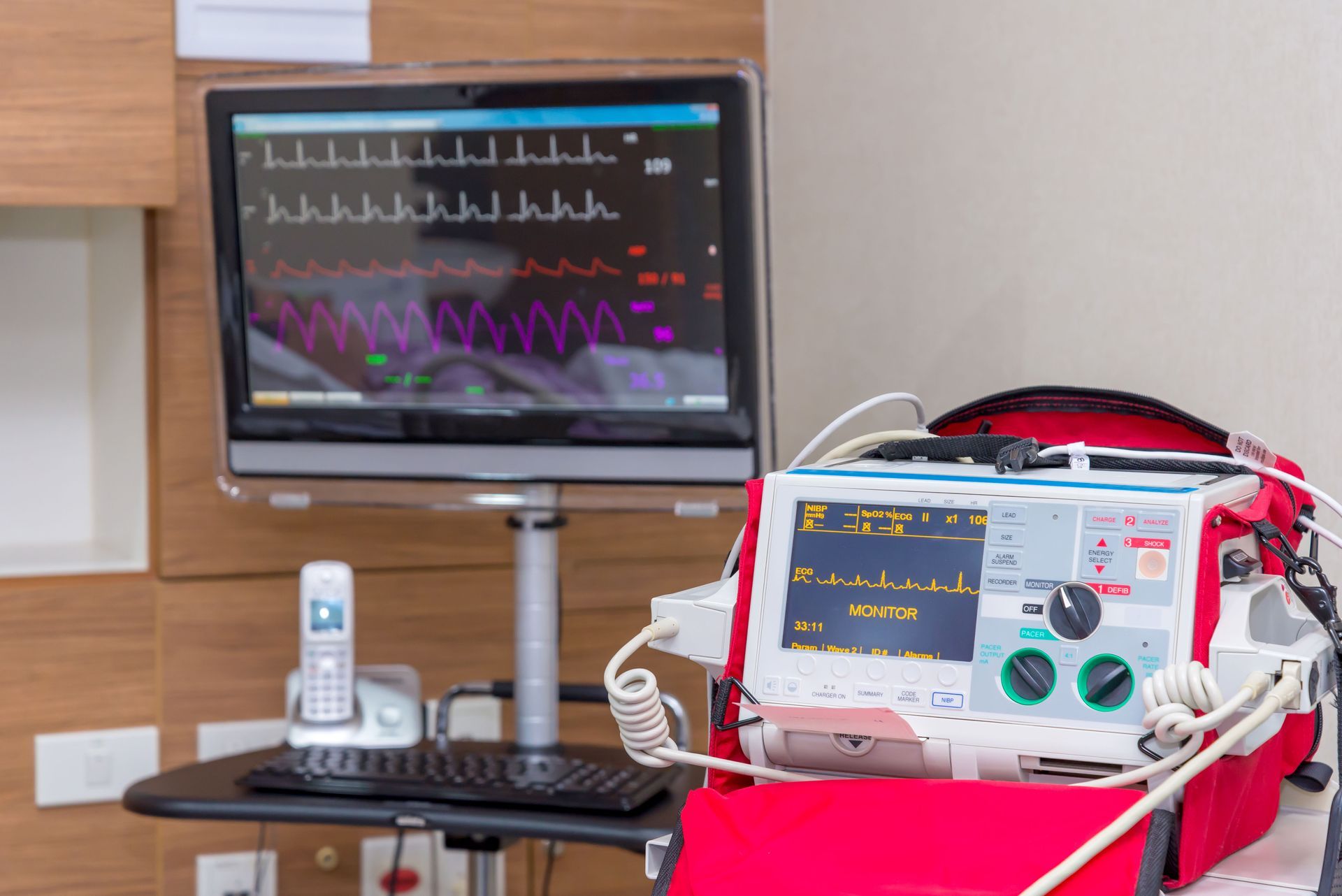
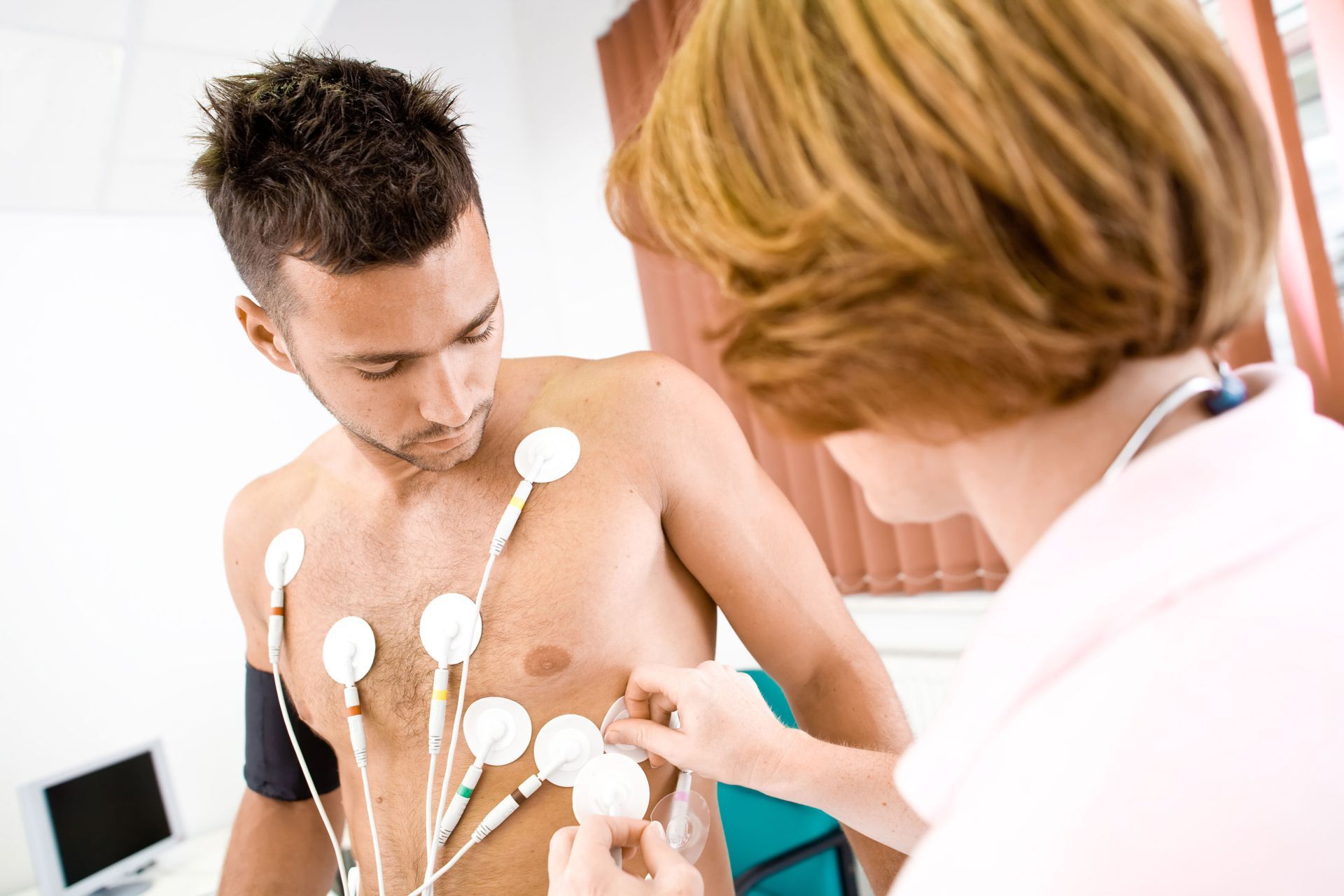
Urgent care clinics maintain high standards through qualified medical staff, state-of-the-art diagnostic equipment, and broad treatment capabilities. Patients receive competent assessments, accurate diagnoses, and effective treatments across a wide range of medical conditions, from minor injuries to lab testing and imaging. Efficient management of medical records supports continuity of care and informed decision-making, while regular quality control measures, including performance assessments and patient feedback evaluations, ensure ongoing improvement. These practices collectively enhance reliability, accuracy, and trust, positioning urgent care clinics as essential providers of high-quality community healthcare.
Furthermore, urgent care clinics emphasize patient-centered service by creating a welcoming and supportive environment. Staff are trained to communicate clearly, address patient concerns, and provide guidance throughout the care process. This focus on compassionate interaction, combined with clinical expertise, fosters trust and encourages patients to seek timely medical attention. By prioritizing both the technical and interpersonal aspects of healthcare, urgent care clinics strengthen patient satisfaction and build lasting relationships within the community.
Community Focus
Local urgent care clinics strengthen community health by building trust, supporting local economies, and promoting public health education. Their consistent presence fosters confidence among residents, encouraging timely care-seeking behavior. Clinics also contribute to employment opportunities, generate local economic activity, and engage in educational initiatives, such as workshops, health fairs, and wellness programs, that improve awareness and preventive care. Collaboration with local organizations further enhances public health outcomes, while dedicated efforts to reach underserved populations help reduce healthcare inequities. By focusing on community needs, urgent care clinics reinforce their role as vital partners in holistic public health management.
In addition, local urgent care clinics actively embrace technological integration to enhance patient access and service efficiency. Online appointment systems allow patients to schedule visits conveniently, reducing wait times and streamlining clinic operations. Telemedicine services provide remote consultations, ensuring continuity of care for patients who cannot visit in person. Electronic health records facilitate accurate, secure, and easily accessible patient information, supporting informed medical decisions. Mobile health applications and advanced diagnostic tools further empower patients and improve the speed and accuracy of care. By leveraging these technologies, urgent care clinics deliver modern, patient-centered healthcare that meets the demands of today’s digitally connected communities.
Technological Integration
Modern urgent care clinics integrate technology to enhance patient experience and healthcare delivery. Online appointment systems streamline scheduling, while telemedicine services expand access to remote consultations. Electronic health records (EHRs) improve information accuracy and coordination across providers, supporting efficient, eco-friendly, and continuous care. Mobile health applications allow patients to manage their health proactively, track appointments, and access resources directly. Advanced diagnostic tools enable rapid, precise assessments, improving treatment outcomes. By leveraging technology, urgent care clinics remain adaptive, efficient, and capable of meeting the evolving needs of digitally-savvy patients.
Local urgent care clinics provide a comprehensive approach to healthcare, combining accessibility, affordability, personalized care, and advanced technology to meet diverse community needs. Their role in supporting public health education, local economies, and preventative care initiatives underscores their significance in modern healthcare delivery. Choosing an urgent care clinic ensures timely, high-quality medical attention while fostering a healthier community. For those seeking reliable, patient-focused care, Family Medical Center at Round Rock offers expert services designed to meet the unique needs of your family, delivering compassionate care that makes a real difference. According to Trilliant Health, the growth of urgent care centers reflects their increasing importance as a trusted healthcare resource.